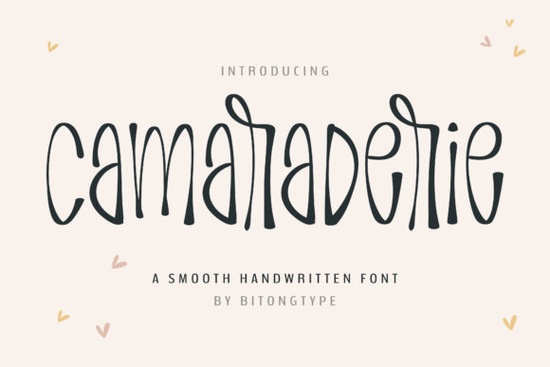
If you create greeting cards, craft projects, or branding materials that need a warm personal touch, Camaraderie Font deserves a spot in your toolkit. This sweet, slightly quirky handwritten font brings a natural rhythm to words without looking messy or childish. Its uneven baseline and soft letterforms feel like real penmanship, making it a solid choice whenever you want your text to read as friendly and approachable rather than stiff and formal.
What kind of designer or maker benefits most from Camaraderie?
This font sits in a sweet spot. It’s not too casual to use on product packaging, and not so refined that it loses its handmade charm. That balance makes it especially useful for small business owners selling physical or digital goods, crafters working on invitations and scrapbook layouts, and print-on-demand sellers who need a reliable handwritten style that prints cleanly across mugs, shirts, and tote bags. It’s equally at home on a nursery wall print as it is on a handmade soap label.
Where does a quirky handwritten font work best?
Camaraderie shines in projects where you want to convey warmth without sacrificing readability. Some specific uses that regularly produce great results include:
- Wedding invitations and save-the-dates – the letterforms feel personal but stay clear enough for older guests to read easily.
- Social media graphics – quote posts and announcement banners look much more authentic with a font that avoids that polished, corporate script feel.
- Product packaging labels – natural-looking handwriting on a candle jar or coffee bag suggests a handmade product without looking amateurish.
- Children’s book interiors and covers – the playful bounce between letters matches the tone many authors want for early readers.
- Cricut and Silhouette projects – the smooth curves cut cleanly and weed easily, even at smaller sizes.
How does this handwritten style compare to other script fonts?
If you spend time browsing Creative Fabrica’s script gallery, you’ll notice that handwritten fonts vary wildly in mood. Some, like a bold marker style, work best for headlines and sports themes. Another option could be a brush font with strong, energetic strokes, which suits apparel and posters that need a louder voice. On the opposite end, you’ll find delicate scripts suited to wedding stationery, such as a thinner, gracefully flowing typeface that pairs nicely with formal designs.
Camaraderie stands apart because it doesn’t lean too hard in either direction. Its weight is moderate not thin enough to disappear on rough paper, not heavy enough to feel aggressive. The letter connections feel spontaneous rather than rehearsed. For projects that call for a genuinely hand-lettered look without the time investment of actually writing everything by hand, this font becomes a reliable go-to.
You might also want to keep a more playful script with bouncy alternates in your back pocket for gig posters or birthday cards, or explore a rougher textured option when your layout needs a sense of movement and adventure. Having a small collection of handwritten styles like these gives you tonal range without cluttering your font library.
Can you use Camaraderie for branding and commercial projects?
Yes and this is where many buyers get stuck. A lot of handwritten fonts carry restrictive licenses that limit commercial use, but Creative Fabrica fonts generally come with clear commercial terms through their subscription or single-purchase options. Before you put Camaraderie on a thousand coffee mugs or inside a digital planner you plan to sell, just double-check the current license summary. The usual allowances cover print-on-demand, logos, packaging, and digital products, making it a practical choice for small creative businesses.
One underrated tip: test how the font renders at small sizes if you plan to use it on business cards or price tags. Camaraderie holds up well because the letter spacing is generous and the strokes aren’t hair-thin. It also pairs nicely with clean sans-serif secondary text try it with something like Montserrat or Open Sans for a balanced brand look.
What should you watch for when using handwritten fonts in large projects?
Even the best handwritten fonts come with small quirks. With Camaraderie, the intentionally uneven baseline might mean you need to manually adjust a few letters if perfection is critical for a logo lockup. Some letter combinations can feel slightly too playful for very formal legal or medical branding but that’s a mismatch of context, not a flaw in the font. For school newsletters, community event flyers, or bakery packaging, the personality this font adds far outweighs any tiny kerns you might tweak.
Also keep in mind that this style works best when you let it breathe. Cramming long paragraphs into tight columns will reduce the handcrafted feel. Short lines, generous leading, and plenty of white space let the letterforms shine.
A quick practical checklist before you hit download
- Check the license: confirm commercial terms fit your use case usually yes, but always verify.
- Test on your material: print a sample on kraft paper, glossy cardstock, or fabric to see how the ink settles.
- Pair it wisely: use a simple sans-serif for body text so the handwriting stays special.
- Size up: for Cricut projects under 1 inch, increase the font size and run a test cut first.
- Mix with care: if you combine multiple script fonts, choose ones with contrasting weight and speed Camaraderie’s steady rhythm works well with a faster brush font like a bold brush script for contrast.
Your next step? Grab Camaraderie Font here, drop it into your design software, and test it on a project you’d normally run with a generic handwriting font. The difference in personality is immediate and your customers or audience will feel that extra dash of warmth without you having to say a word.
Learn More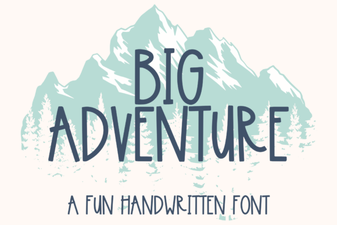 Big Adventure Font: Bold Playful Type for Designs
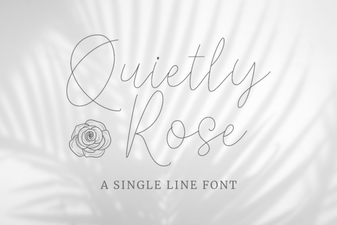 Quietly Rose Font – Free Feminine Script for Logos & Invites
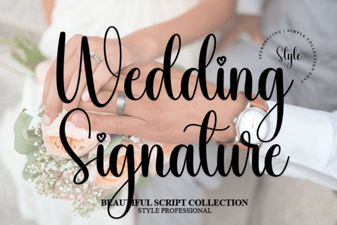 Wedding Signature Fonts for Elegant Invitations and Stationery
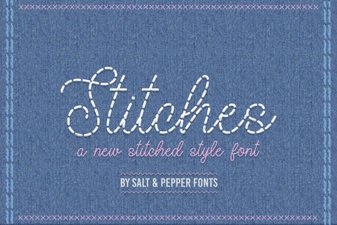 Stitches Font: Craft & Diy Typography Ideas
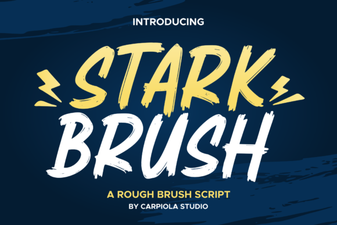 Stark Brush Font: Creative Hand-Lettered Typeface for Design
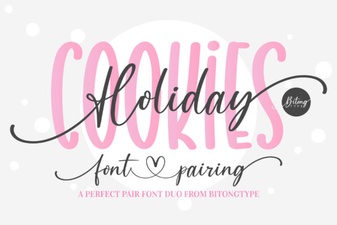 Holiday Cookies Font: Sweet Design Ideas & Usage Tips