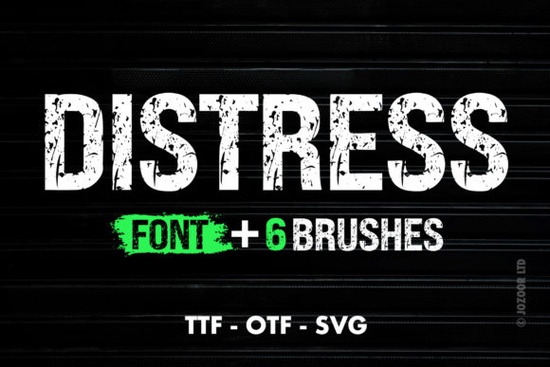
Looking for a typeface that captures the scuffed, screen-printed feel of old university hoodies and faded band tees? Distress College Grunge Font is built exactly for that rough, hands-on aesthetic. This decorative font comes with the kind of texture, uneven edges, and worn grit that instantly makes any design feel like it has a story. Whether you’re mocking up a t-shirt, putting together a poster, or adding a vintage tag to a handmade product, a font like this takes the work out of manually aging your text.
What makes a distressed grunge font useful for crafters?
For anyone who works with vinyl, heat transfer, or sublimation, the texture of a font matters. A clean, geometric typeface often fails to blend with handmade or retro themes. Crafters using Cricut or Silhouette machines will find that a well-made grunge decorative font like this one weaves worn details into every letter automatically. You don’t need to add rough outlines or apply gritty overlays in Photoshop. The typeface carries its own history, which means less editing and more time creating.
Because the font is PUA encoded, you can access all its alternate characters and glyphs even in basic design software. That is a real advantage when you want to swap out a rough “A” for an even rougher version to suit a particular project. It also holds up well at large sizes, making it a reliable pick for tote bags, wall art, and oversized transfers.
Where does a college grunge font fit best?
This style shines in projects that lean into vintage sports, streetwear, and grunge-inspired branding. Print-on-demand sellers often reach for distressed typefaces to create mockups of hoodies, caps, and mugs that feel authentic rather than artificial. A few of the go‑to uses include:
- T‑shirt and sweatshirt designs with retro university names or dates
- Music festival posters and band flyers
- Social media graphics for streetwear brands
- Book covers for gritty young‑adult novels or memoirs
- Logo rough drafts for local businesses wanting a hand‑lettered vibe
Because the distress is baked into the letterforms, you can place the type over a photograph or a solid background and still see the pitted, speckled edges clearly. This saves time for small business owners who need a consistent, grungy look across a product line without having to re‑create the effect each time.
How do you pair Distress College Grunge Font with other typefaces?
A heavily textured font rarely works well as body copy, so pairing it with a cleaner secondary typeface is practical. A simple sans‑serif in all caps can sit beneath it for a balanced, readable layout. If you want a softer contrast, a delicate monogram font adds an elegant counterpoint that highlights the distressed character without competing for attention. The goal is to let the roughness take center stage while the supporting type keeps things easy on the eyes.
You can also blend two distressed styles, but use them at different sizes. For example, let Distress handle a large headline while a lightly eroded sans‑serif carries a short subheading. The key is testing the combination at the final print size to make sure the textures don’t merge into visual noise.
Is this font suitable for small businesses and POD sellers?
Yes, especially because its character stays consistent across different print methods. Screen printers will find the worn edges translate well to physical screens without becoming fuzzy. Sublimation and direct‑to‑garment users can print on light or dark fabrics and still see the speckled details. Before you commit a full run, print a small sample on the actual material you plan to use. Some fabrics soften the distress effect, so a quick test helps you set the right size and color.
For small business owners selling on platforms like Etsy or Shopify, a font like this can become part of a recognizable brand style. Use it on packaging, thank‑you notes, or product labels to tie everything together visually. The rough texture also hides minor printing imperfections a thoughtful perk when you’re using a home inkjet or a basic heat press.
What should you check before downloading a grunge decorative font?
Even a well-designed font needs a few checks to fit your workflow. Take a moment to review the included character map. You’ll often find extra alternates, numbers, punctuation, and sometimes multilingual support. Make sure the license covers your intended use; most commercial licenses handle physical product sales, but it never hurts to glance at the terms of the designer.
Also look at how the font renders at very small sizes. Distress textures can thin out or disappear below 12–14 points on screen, so if you plan to use it for small tags or website text, test the legibility first. For crafting, keep in mind the weeding process for vinyl. Small, heavily distressed letters can be tricky to weed cleanly, so consider sticking to larger dimensions or using a slightly less distressed version if the set includes one.
Quick checklist before you start your next project
- Install the font onto your device and restart your design program so all glyphs appear.
- Open a test canvas and type your text in a few sizes to see how the distress behaves.
- Pick a background distressed text pops best on solid or mildly textured surfaces.
- Pair it with a clean secondary font for sub‑headings or body copy.
- If cutting vinyl, adjust the size so the rough edges remain easy to weed.
- Print or cut a sample on the final material before producing a full batch.
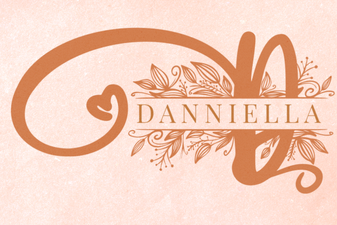 Love Eberline Monogram Font: Creative Monogram Design Ideas
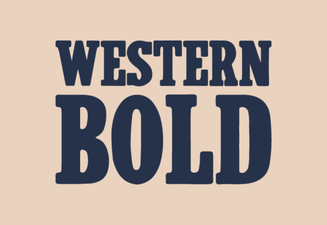 Western Bold Font in Modern Typography Design
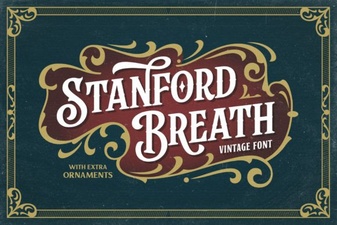 Stanford Breath Font for Expressive Typography Projects
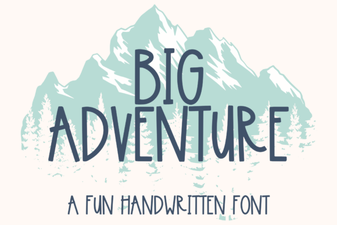 Big Adventure Font: Bold Playful Type for Designs
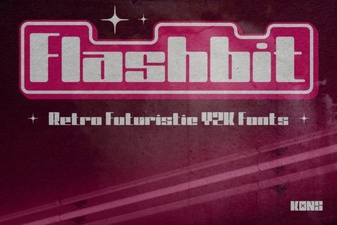 Flashbit Font – Playful Pixel Type for Creative Projects
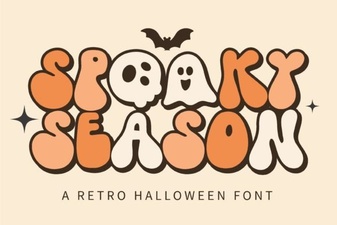 Spooky Season Font: Creative Ideas & Best Typography Picks